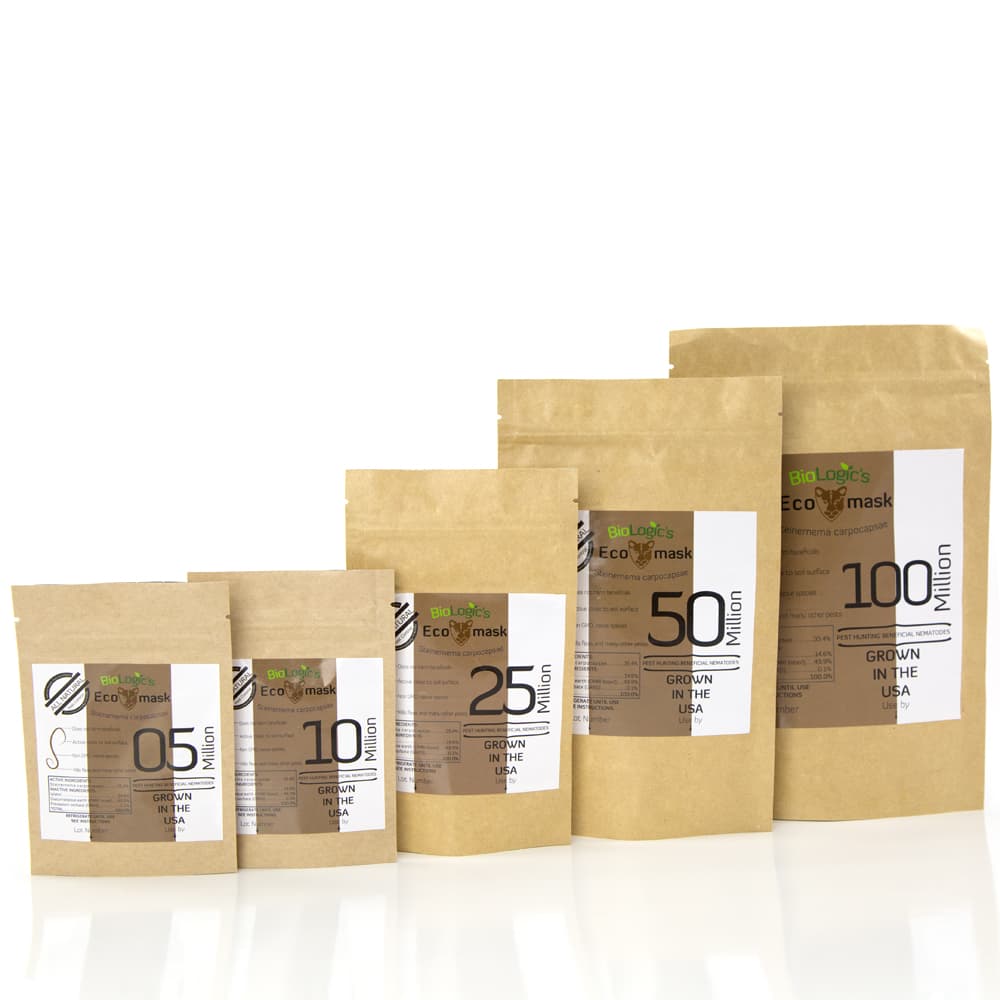
Ecomask Spray
Our recommended nematode for fleas, and a hardy choice for hot, dry climates.
From $37.99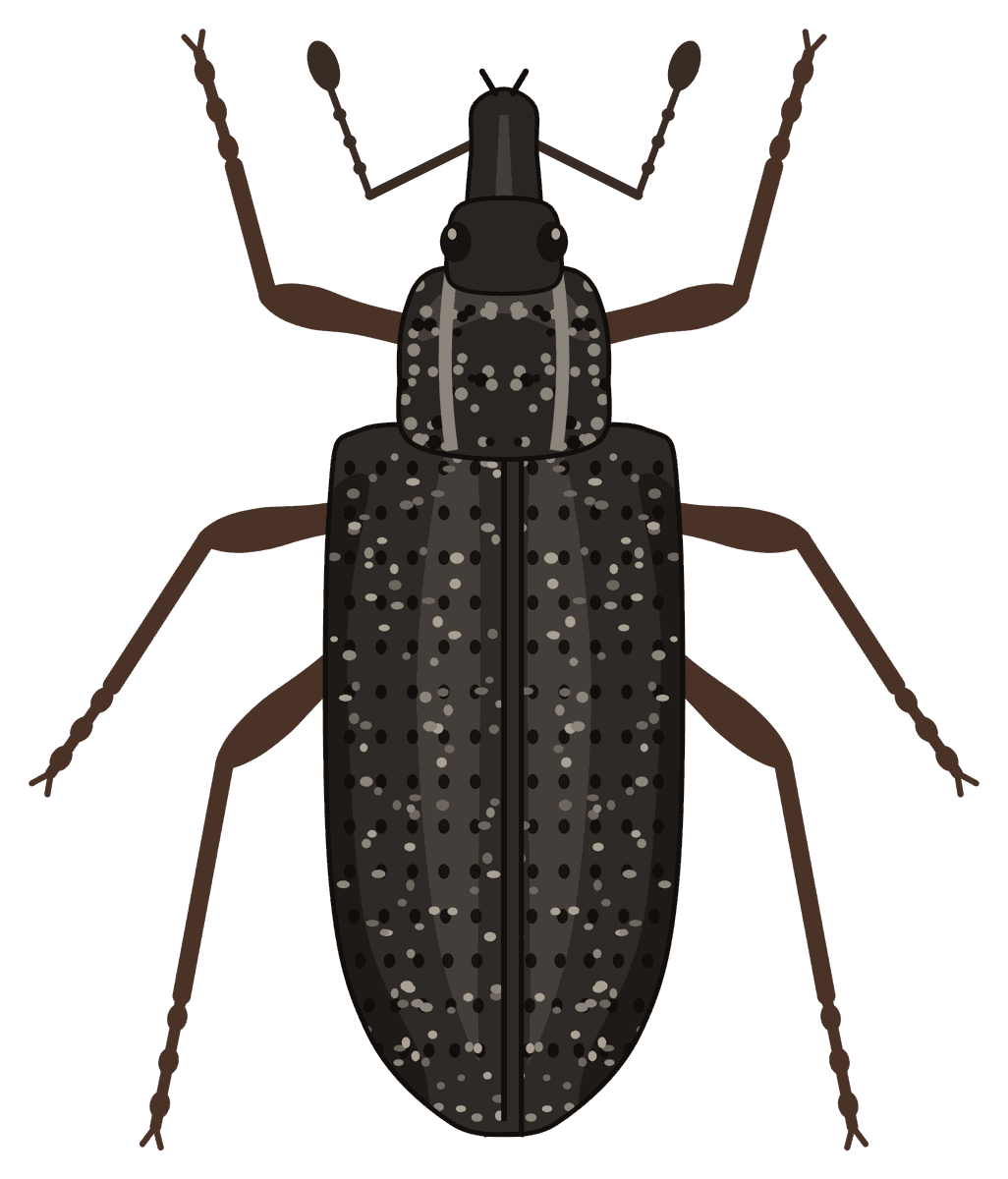
Listronotus maculicollis
Small, dark weevils whose larvae feed inside and below the stems of annual bluegrass, leaving yellow, dying patches in short-mown turf in late spring.
Adult annual bluegrass weevils are small, dark gray to black weevils with a short snout. They spend the winter in leaf litter and under trees and shrubs near turf, then walk into short-mown grass in spring to lay eggs in the stems.
The larvae are small, legless, and cream-colored with a brown head. Young larvae feed inside the grass stems; older larvae move down to the crown, where the stem meets the roots. There can be two or more generations a year.
Annual bluegrass weevils feed almost only on annual bluegrass (Poa annua), and they're mostly a problem on golf courses and other short-mown turf rather than home lawns. Damage shows up in late spring as yellowing, then brown, dying patches, usually first along the edges of fairways, greens, and paths.
The beneficial nematodes in Ecomask hunt the larvae and pupae in the thatch and the top inch of soil. In research trials, S. carpocapsae (the nematode in Ecomask) was the most consistent nematode against this weevil, and two applications about a week apart worked better than one.
Treat with Ecomask from March to September, aiming for the late-spring larvae: in the Northeast, about when rhododendrons are in full bloom. Apply in the evening and water it in well.
Focus on the short-mown annual bluegrass and its edges, where damage shows first.
See How to apply for step-by-step directions, or use the calculator on the Ecomask Spray page to see how much you need.
Our recommended nematode for fleas, and a hardy choice for hot, dry climates.
From $37.99
Ecomask, our flea nematode, in a granular form you mix with peat moss or potting soil and spread by hand.
$59.99