
Ecomask Spray
Our recommended nematode for fleas, and a hardy choice for hot, dry climates.
From $37.99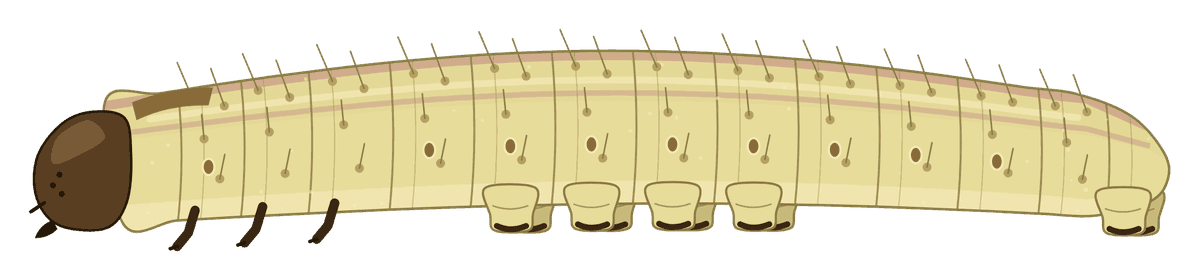
Platyptilia carduidactyla
A small moth whose caterpillars tunnel into artichoke stems, leaves, and buds.
Adults are slender, tan moths with narrow, feathery wings held in a T shape at rest. Larvae are small, cream to yellowish caterpillars with a dark head and fine hairs.
Young caterpillars mine leaves, then bore into stems, crowns, and the edible buds. Damaged buds are scarred or hollowed and can't be sold or eaten. Heavy feeding weakens the plant.
The caterpillars and pupae live in the crown and the base of the stems, at or just below the soil line, and in old stumps left after the plants are cut back. That's where nematodes can reach them.
University of California research supports Steinernema carpocapsae (the nematode in Ecomask) for this moth, as a soak for root stumps before planting and as a crown treatment. Cornell University lists it at 70% control or better in field tests. A Pacific Northwest pest guide says a good soak before planting can cut infestation to under 1%.
In university research, the timing that worked best was at planting or replanting, as a soak for the root stumps. After that, aim for young caterpillars in spring and after cutback, when new growth starts.
Treat with Ecomask.
When: April to September.
Where: Soak stumps before planting. Drench the crown and stem bases of established plants, and the soil around them.
See How to apply for step-by-step directions, or use the calculator on the Ecomask Spray page to see how much you need.
Our recommended nematode for fleas, and a hardy choice for hot, dry climates.
From $37.99
Ecomask, our flea nematode, in a granular form you mix with peat moss or potting soil and spread by hand.
$59.99