

Heteromask Spray
Our recommended nematode for white grubs, including Japanese beetle and European chafer grubs.
From $37.99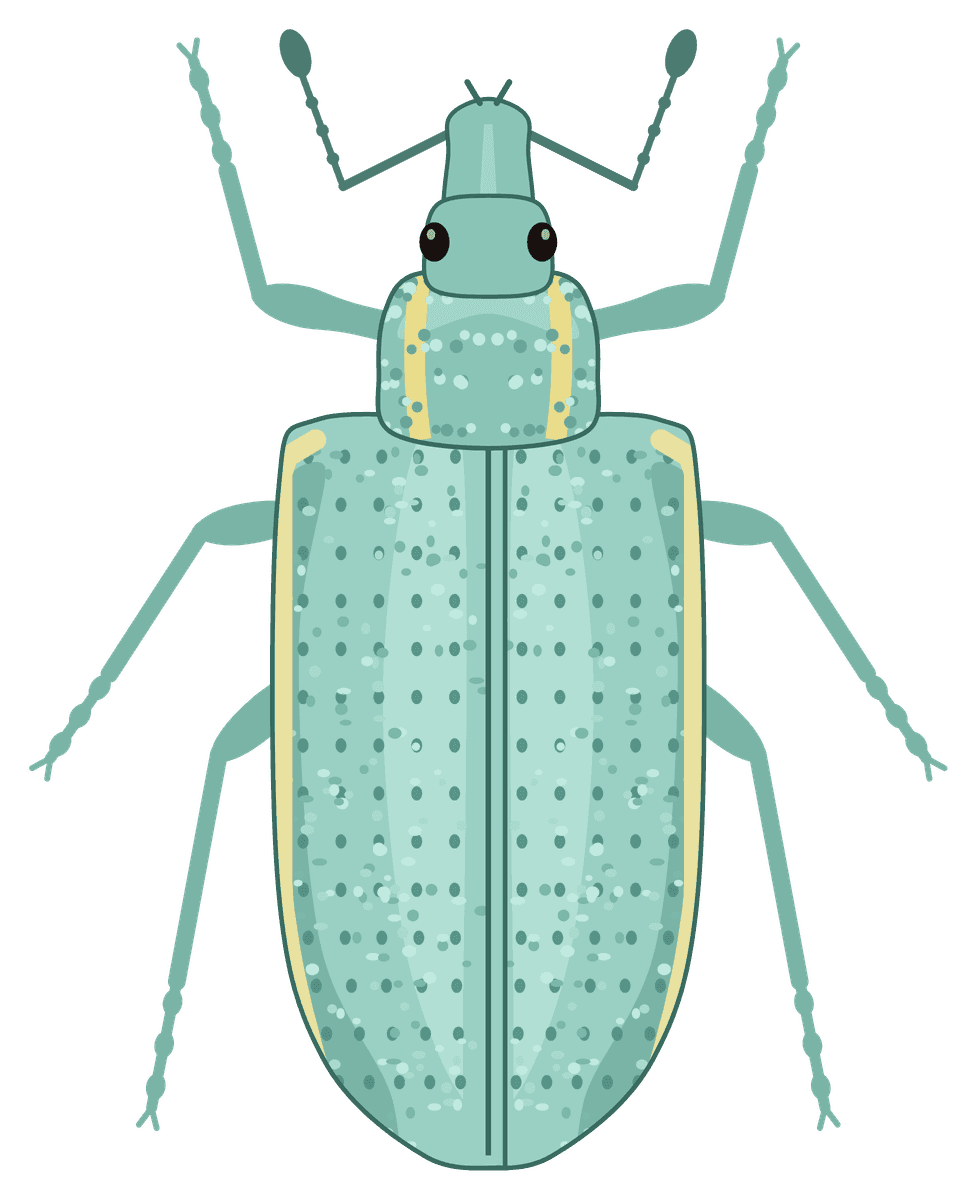
Pachnaeus spp.
Blue-green weevils whose larvae feed on citrus roots in the soil, while the adults notch the edges of young leaves.
Citrus root weevils, also called blue-green weevils, are pale blue-green weevils with a short snout. They're a pest of citrus in Florida.
The adults lay eggs on leaves, and the newly hatched larvae drop to the ground and burrow into the soil, where they feed on the roots.
The larvae feed on the roots of citrus trees, weakening them. The adults chew notches in the edges of young leaves. Along with the Diaprepes root weevil, they're one of the root weevils that need active control on mature citrus trees.
The beneficial nematodes in BioLogic's products hunt down weevil larvae in the soil, where they're out of reach of most other controls.
Treat with Heteromask from mid-July through September, when the soil is above 70°F and moist.
Apply to moist soil under the tree canopy, and water it in well afterward.
See How to apply for step-by-step directions, or use the calculator on the Heteromask Spray page to see how much you need.
Our recommended nematode for white grubs, including Japanese beetle and European chafer grubs.
From $37.99