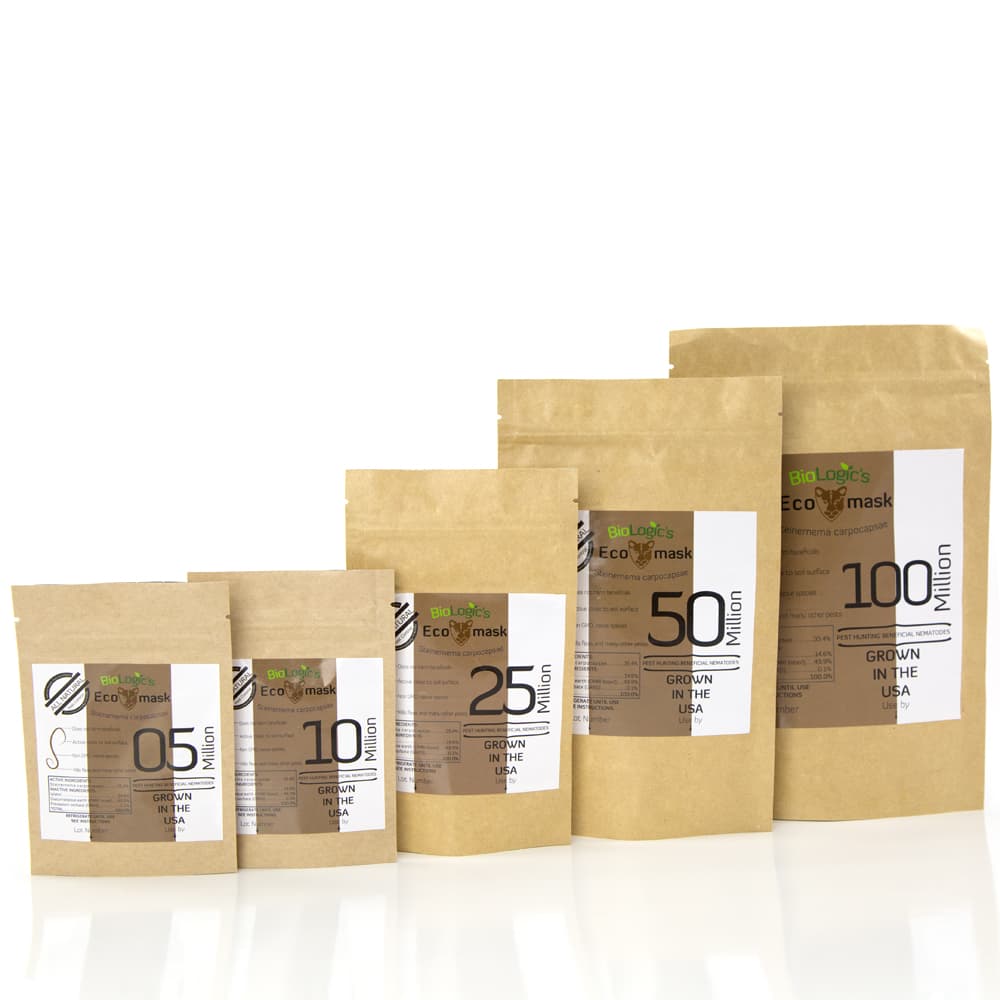
Ecomask Spray
Our recommended nematode for fleas, and a hardy choice for hot, dry climates.
From $37.99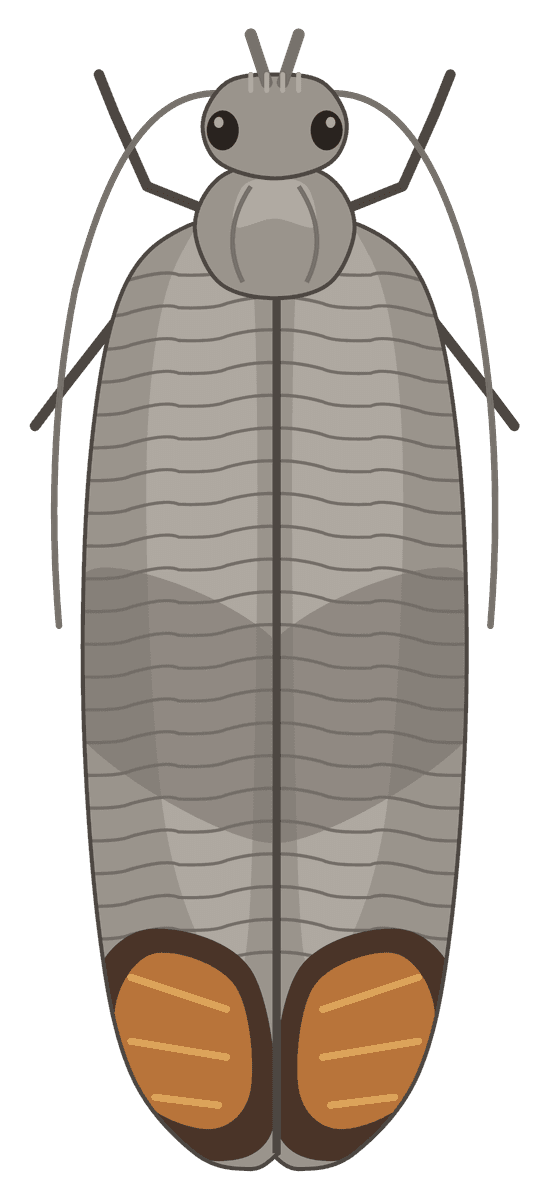
Cydia pomonella
Small gray moths whose caterpillars tunnel into apples and pears. The caterpillars spend the winter in cocoons under loose bark.
Adult codling moths are small and gray, with fine wavy lines across the wings and a shiny copper-brown patch near each wing tip. The caterpillars are pinkish white with a brown head.
After feeding in the fruit, full-grown caterpillars crawl down the tree and spin cocoons in bark cracks, under loose bark, and in debris at the base of the tree, where they spend the winter. They become moths in spring.
Codling moth is the most important insect pest of apples and pears. The caterpillars tunnel into the fruit to the core, leaving a hole filled with brown, crumbly droppings, and the fruit often drops early.
The caterpillars sit in their winter cocoons for months, which makes them an easy target. Both Ecomask and Scanmask infect caterpillars in their cocoons. In European orchard trials, a fall nematode spray cut the next summer's fruit damage by about half.
Treat with Ecomask from March to September. Fall and early spring sprays reach caterpillars in their cocoons on the trunk. Scanmask also works and does better in cool weather. Apply on a wet, mild evening, above about 50°F.
Spray the lower 5 feet of the trunk and the base of the tree, where the cocoons are, and keep the bark wet for several hours afterward.
See How to apply for step-by-step directions, or use the calculator on the Ecomask Spray page to see how much you need.
Our recommended nematode for fleas, and a hardy choice for hot, dry climates.
From $37.99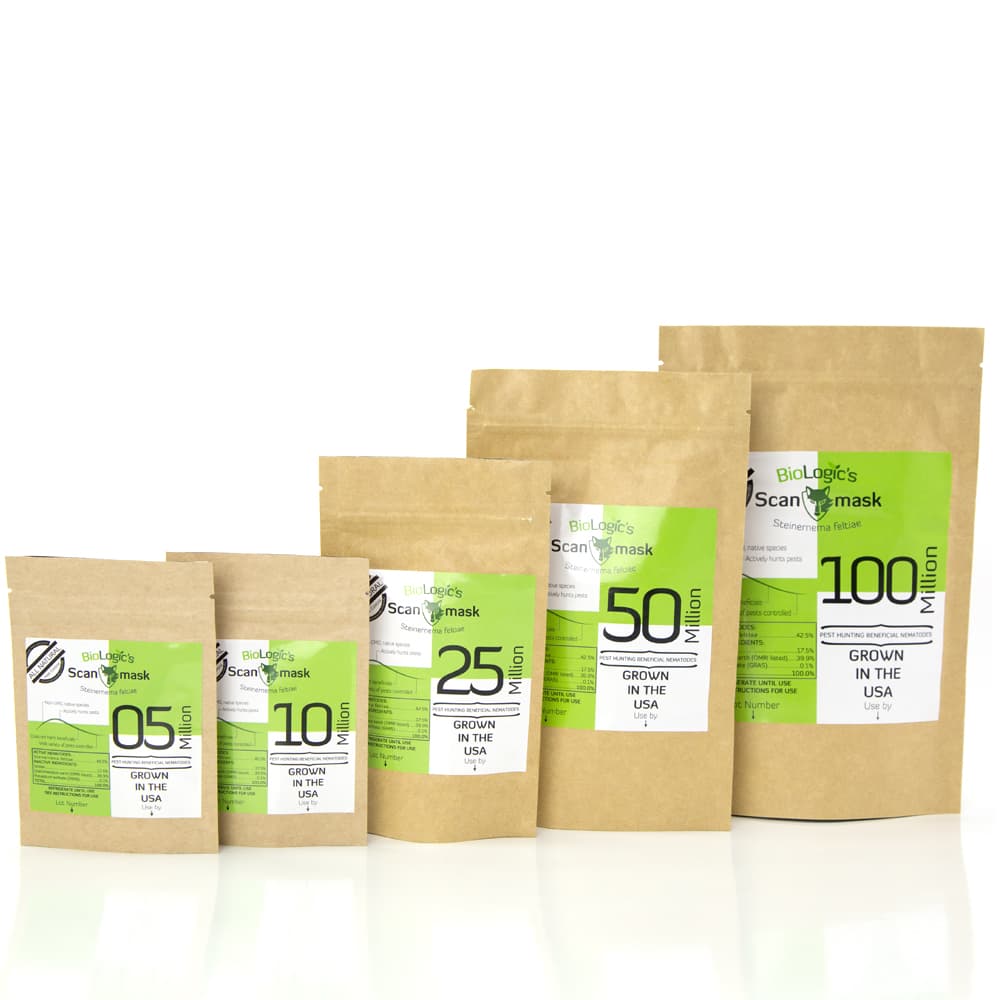
Kills the widest range of pests. Our pick for several pests at once or for preventing them.
From $37.99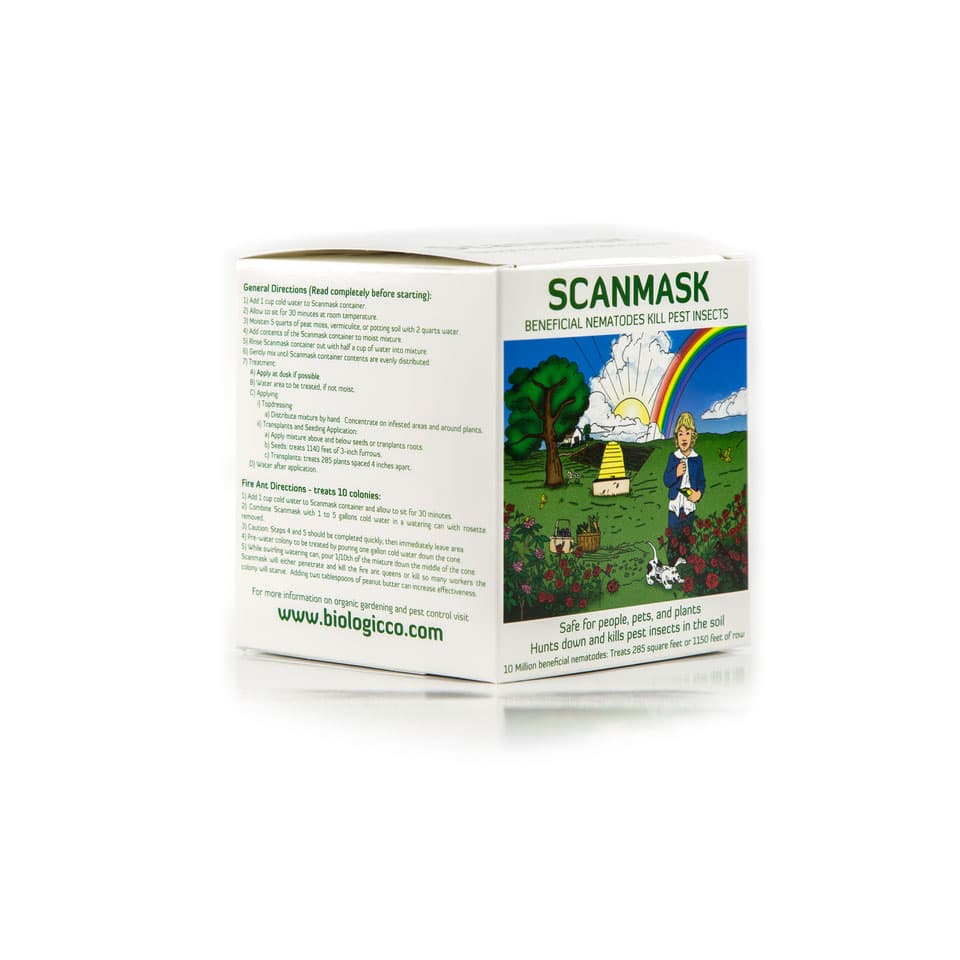
The same Scanmask we've sold since 1985, mixed with peat moss or potting soil and spread by hand. Keeps up to a year in the fridge.
From $42.99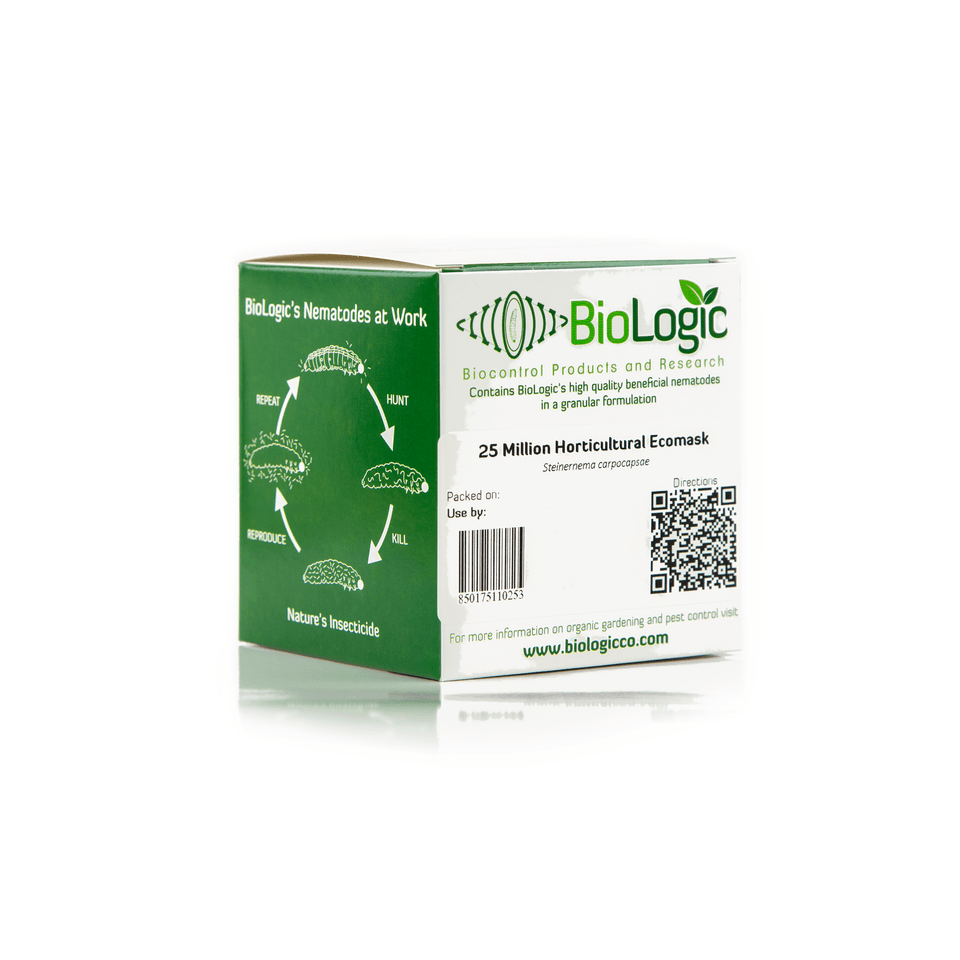
Ecomask, our flea nematode, in a granular form you mix with peat moss or potting soil and spread by hand.
$59.99