
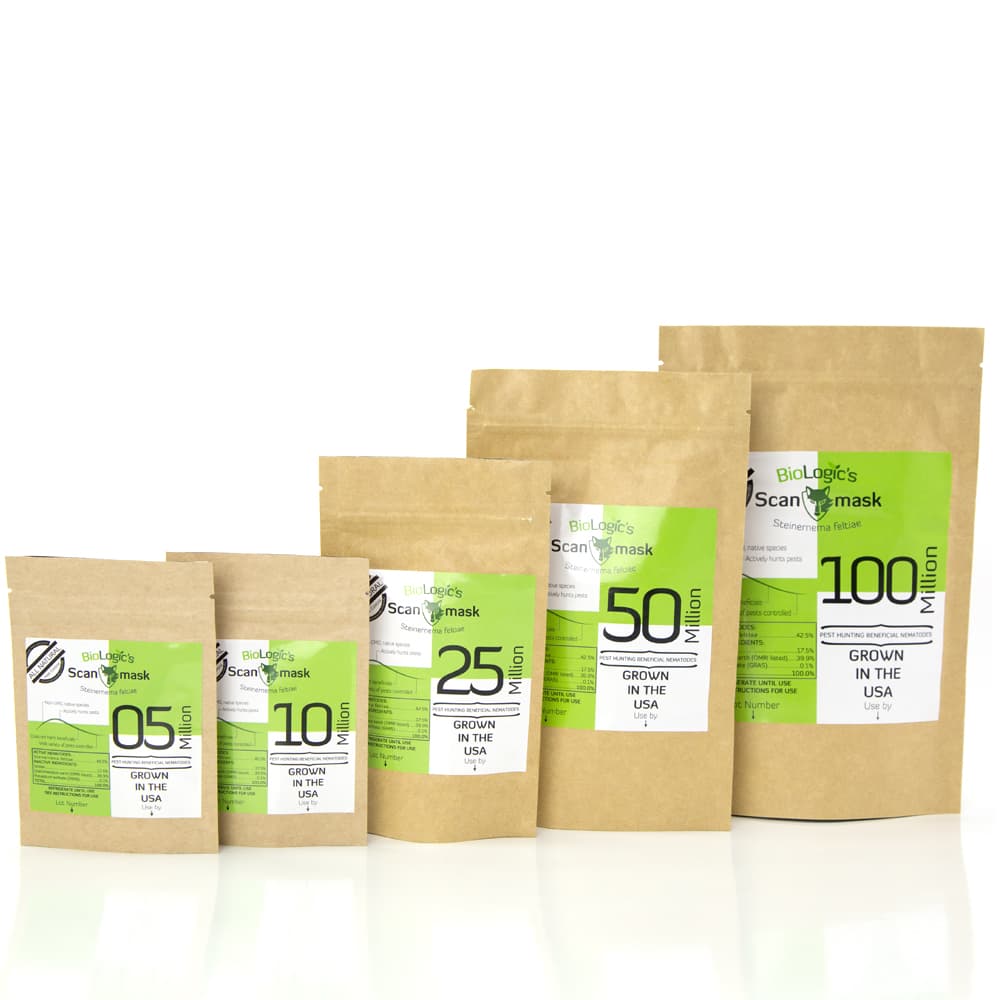
Scanmask Spray
Kills the widest range of pests. Our pick for several pests at once or for preventing them.
From $37.99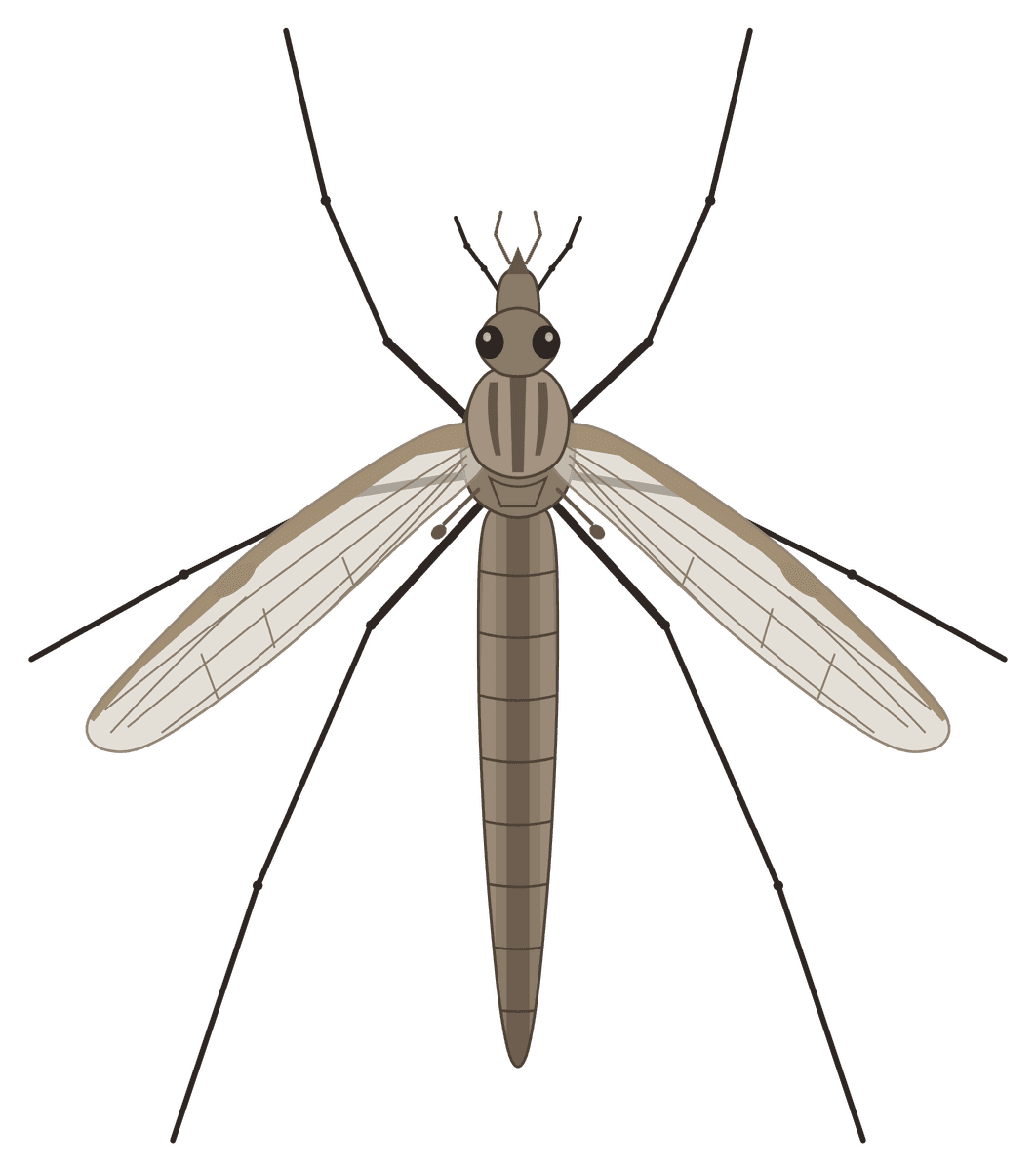
Tipulidae
Large, harmless flies that look like giant mosquitoes, and "leatherjacket" larvae that eat grass roots and can quickly cause brown, stunted patches of lawn.
Crane flies are large flying insects that are sometimes mistaken for big mosquitoes. Unlike mosquitoes, adult crane flies don't bite or spread disease, and they're no threat to people. Their larvae, called leatherjackets, are the problem.

A leatherjacket, the crane fly larva that damages lawns. The picture at the top is an adult crane fly.
Adult crane flies come out in late summer, mate, and lay eggs within a day or so. The eggs hatch into leatherjackets, which feed underground in the fall, spend the winter in the soil, and feed again in spring. They change into pupae in the soil in mid spring.
Leatherjackets feed mainly on the roots and crowns of grass and other plants, causing stunted growth and brown grass. A healthy lawn can usually handle a moderate number of them, but if there are too many they can quickly do serious damage.
The beneficial nematodes in BioLogic's products hunt down and kill leatherjackets in the soil. Scanmask stops the larvae from doing more damage and keeps them from growing into adults and reproducing.
Treat with Scanmask (Ecomask also works). Focus on moist areas of the lawn and any areas that show damage.
Treating in the fall is ideal. The nematodes kill the larvae in the soil before they can damage the lawn in spring, and you'll have fewer new crane flies the following year. You can also treat in early spring, when Scanmask is the better choice because Ecomask needs warmer soil (about 68°F). One application typically lasts about a year, and often longer. Treat again when you see signs of leatherjackets coming back.
See How to apply for step-by-step directions, or use the calculator on the Scanmask Spray page to see how much you need.
Kills the widest range of pests. Our pick for several pests at once or for preventing them.
From $37.99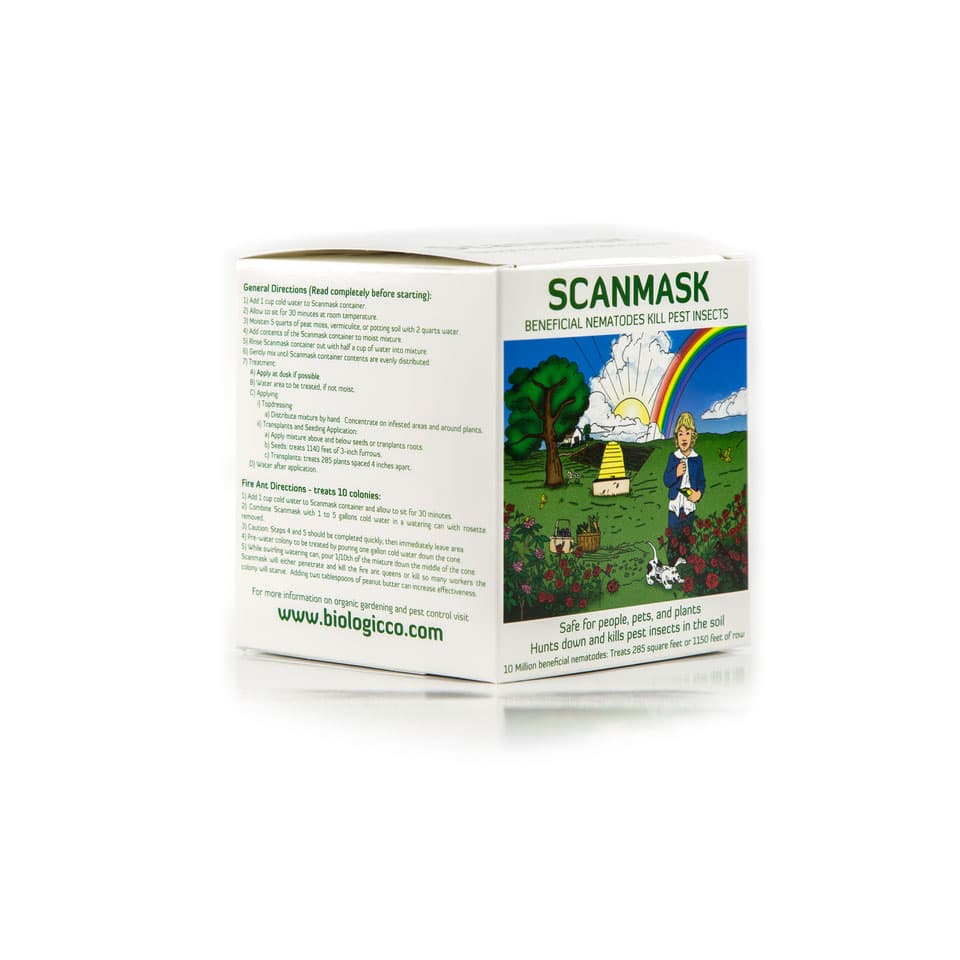
The same Scanmask we've sold since 1985, mixed with peat moss or potting soil and spread by hand. Keeps up to a year in the fridge.
From $42.99
Our recommended nematode for fleas, and a hardy choice for hot, dry climates.
From $37.99
Ecomask, our flea nematode, in a granular form you mix with peat moss or potting soil and spread by hand.
$59.99