
Scanmask Spray
Kills the widest range of pests. Our pick for several pests at once or for preventing them.
From $37.99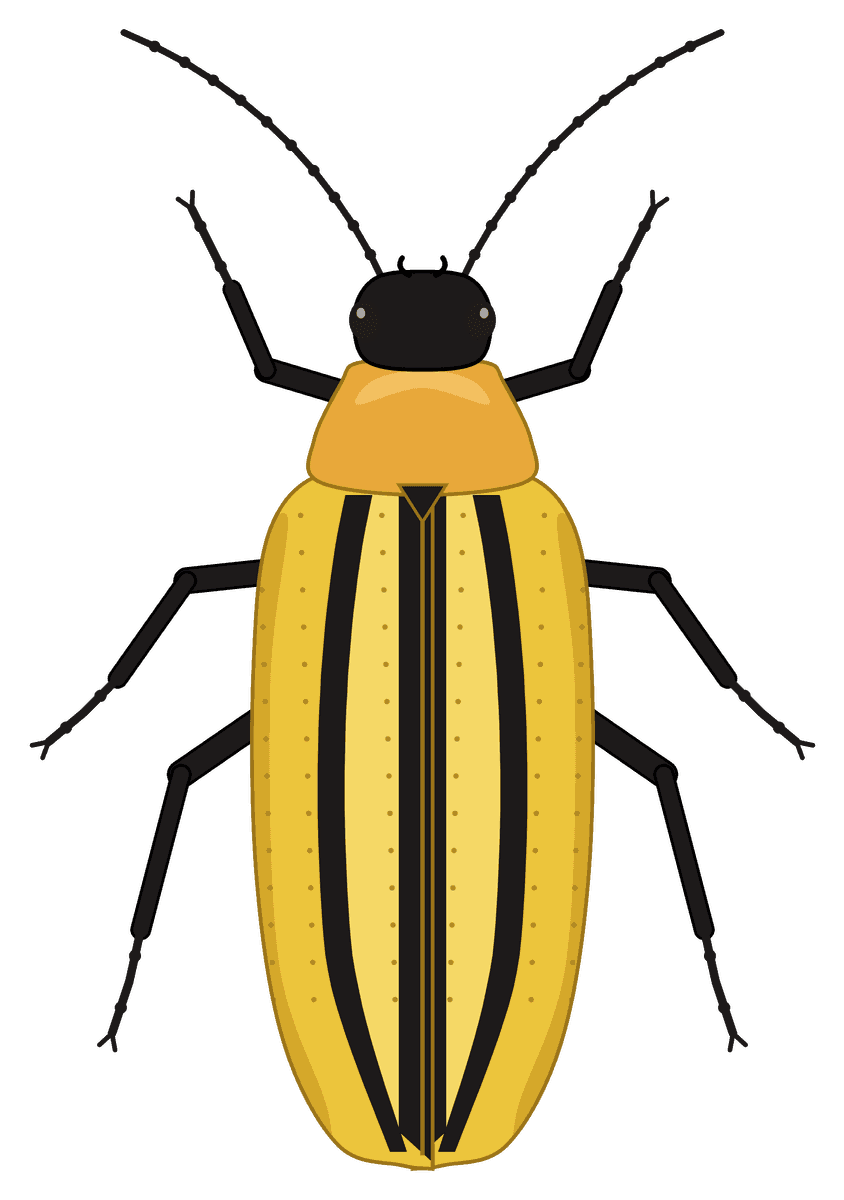
Acalymma vittatum (striped), Diabrotica undecimpunctata (spotted), Diabrotica balteata (banded)
Small striped or spotted beetles that chew cucumber, squash, and melon plants and spread bacterial wilt.
Adults are about 1/4 inch long and yellow-green, with black stripes (striped), 12 black spots (spotted), or green bands (banded). Larvae are slender, white, worm-like grubs with a brown head that live in the soil.
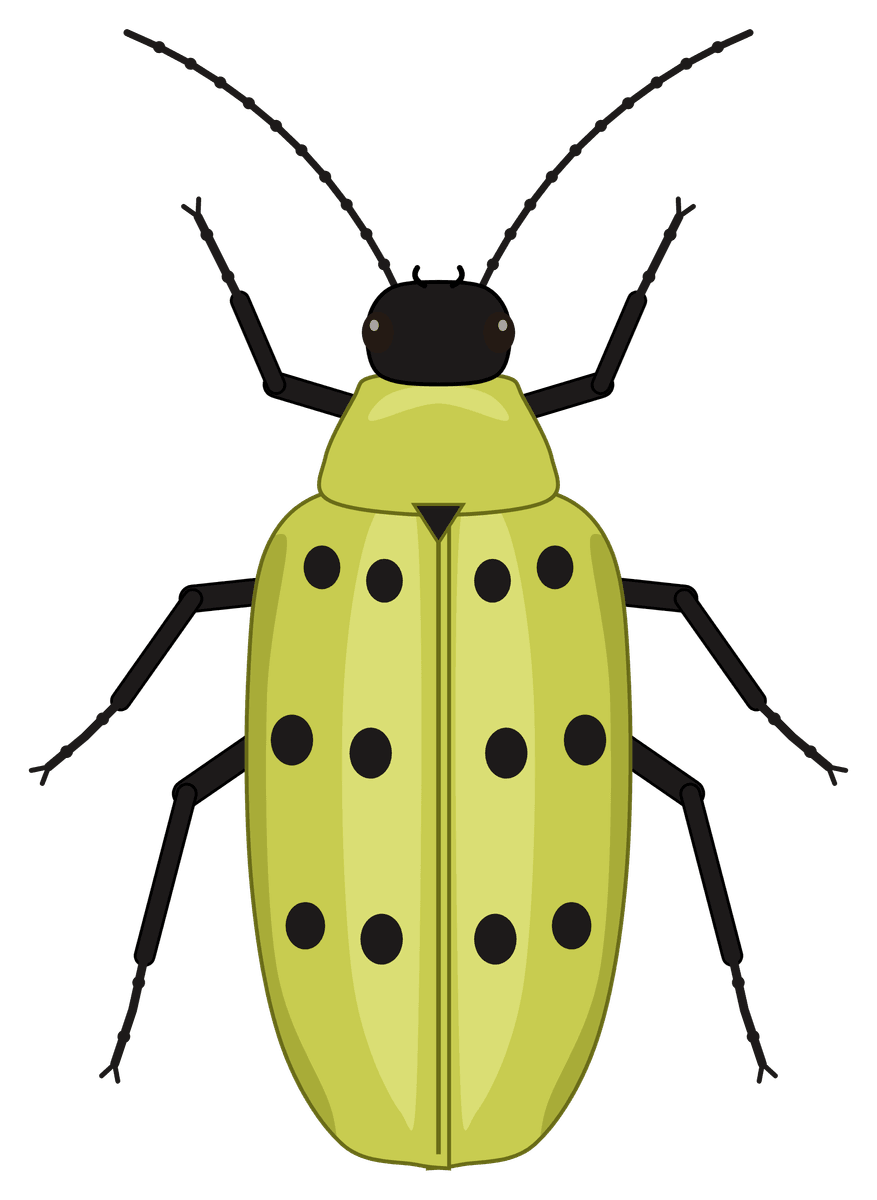
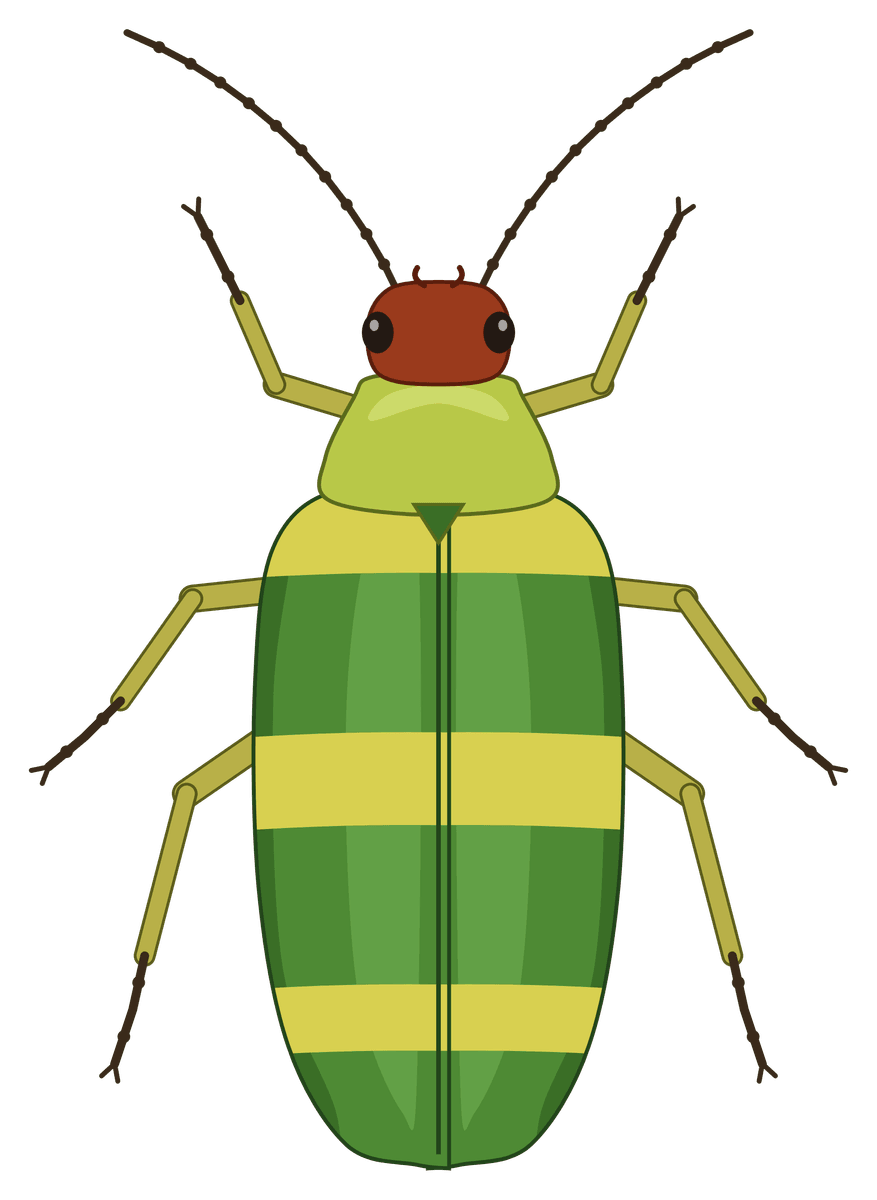
A spotted cucumber beetle (left) and a banded cucumber beetle (right). The picture at the top is a striped cucumber beetle.
Adults chew seedlings, leaves, and flowers and spread bacterial wilt, which can kill vines. Larvae feed on roots and on the underside of fruit touching the soil.
The eggs are laid in the soil at the base of the plant. The larvae feed on roots and turn into pupae in the soil, where nematodes can reach them. Nematodes don't reach the adults on the leaves.
A Penn State field study found that nematodes cut the number of striped cucumber beetle larvae that survived by half and helped cucumber roots grow better. Several Steinernema species did well in lab tests, though the species used in the field was S. riobrave (a species BioLogic doesn't sell).
In university research, the timing that worked best was late spring to early summer (May to July), about 1 to 3 weeks after the adults first show up, when the larvae are in the soil. Treat again for a second generation in mid to late summer.
Treat with Scanmask. Ecomask also works.
When: March to July.
Where: Spray the soil in a band around the base of cucumber, squash, and melon plants, and water it in.
See How to apply for step-by-step directions, or use the calculator on the Scanmask Spray page to see how much you need.
Kills the widest range of pests. Our pick for several pests at once or for preventing them.
From $37.99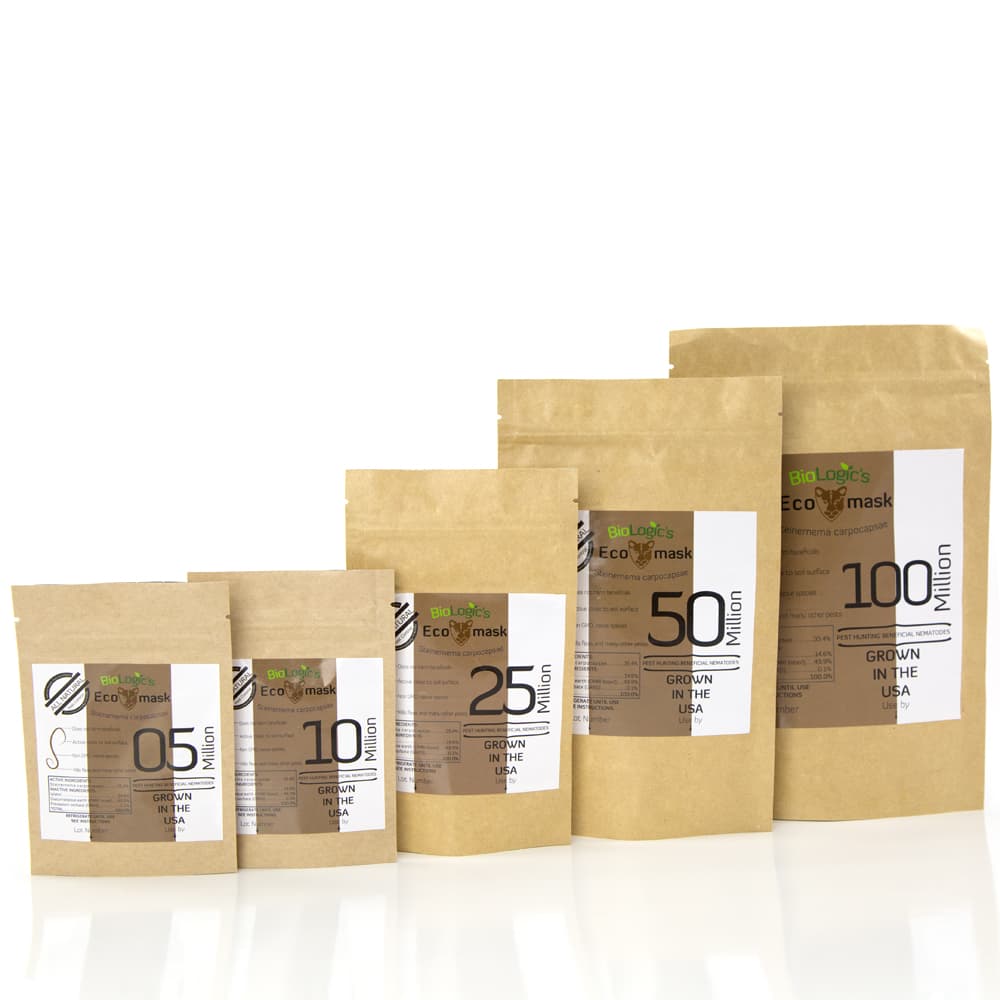
Our recommended nematode for fleas, and a hardy choice for hot, dry climates.
From $37.99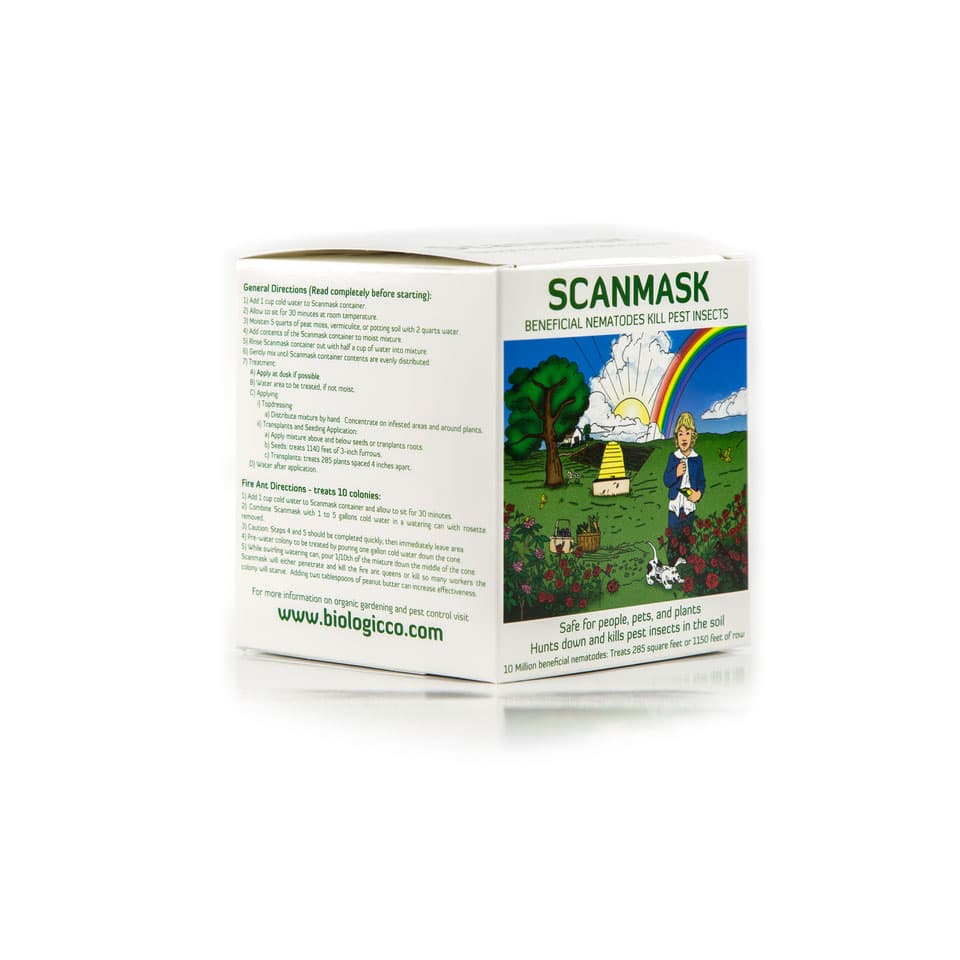
The same Scanmask we've sold since 1985, mixed with peat moss or potting soil and spread by hand. Keeps up to a year in the fridge.
From $42.99
Ecomask, our flea nematode, in a granular form you mix with peat moss or potting soil and spread by hand.
$59.99