

Ecomask Spray
Our recommended nematode for fleas, and a hardy choice for hot, dry climates.
From $37.99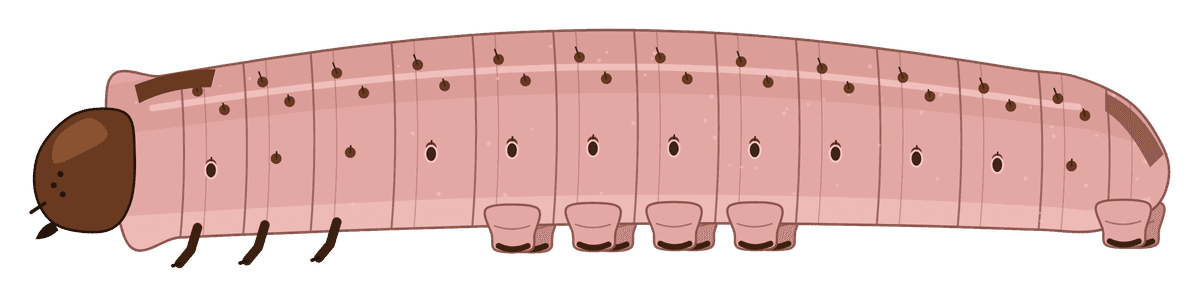
Macronoctua onusta
Pinkish caterpillars of a night-flying brown moth that eat iris leaves and rhizomes. They are the most destructive pest of irises.
Iris borers are the larvae of a brown moth with a wingspan of about 2 inches. The adults fly at night, so you rarely see them. The larvae are pinkish and grow to about 2 inches long.
The iris borer has one generation a year. Adults lay their eggs on old iris leaves and garden debris in the fall, and the eggs spend the winter there. The larvae hatch in April and May, tunnel down through the leaves, and reach the rhizome by early summer. They feed there until late July or August, then leave to pupate in the soil nearby. The new moths come out from late August to October, mate, and lay their eggs.
Iris borer larvae eat iris leaves and rhizomes (the thick underground stems irises grow from), and are the most destructive pest of irises. When they eat the rhizomes, the plant is left open to bacteria and fungus. They can quickly kill an entire established iris bed.
The beneficial nematodes in BioLogic's products hunt down and kill iris borer larvae in the soil. They work best in late May and early June, when the young larvae are moving down the leaves toward the rhizome.
Treat with Ecomask (Scanmask also works) in late May or early June, applying it to the soil around the plants' rhizomes.
See How to apply for step-by-step directions, or use the calculator on the Ecomask Spray page to see how much you need.
Our recommended nematode for fleas, and a hardy choice for hot, dry climates.
From $37.99
Ecomask, our flea nematode, in a granular form you mix with peat moss or potting soil and spread by hand.
$59.99
Kills the widest range of pests. Our pick for several pests at once or for preventing them.
From $37.99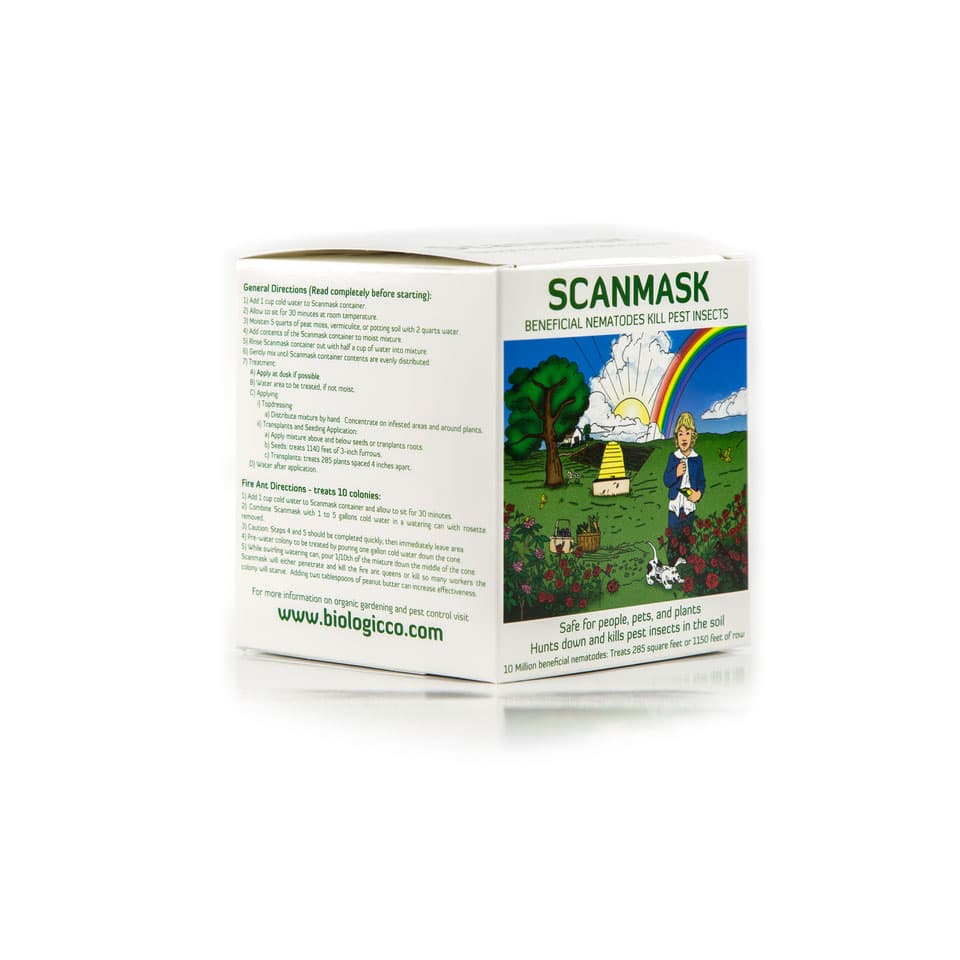
The same Scanmask we've sold since 1985, mixed with peat moss or potting soil and spread by hand. Keeps up to a year in the fridge.
From $42.99