
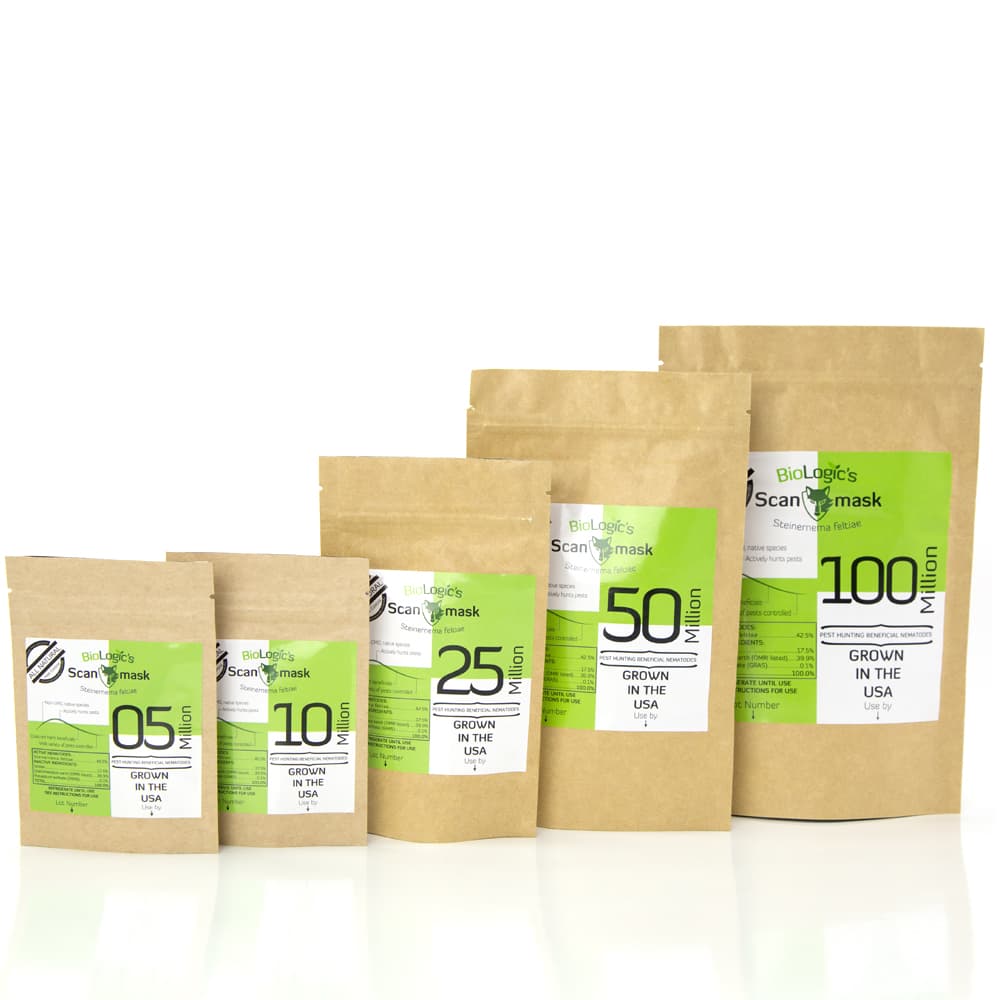
Scanmask Spray
Kills the widest range of pests. Our pick for several pests at once or for preventing them.
From $37.99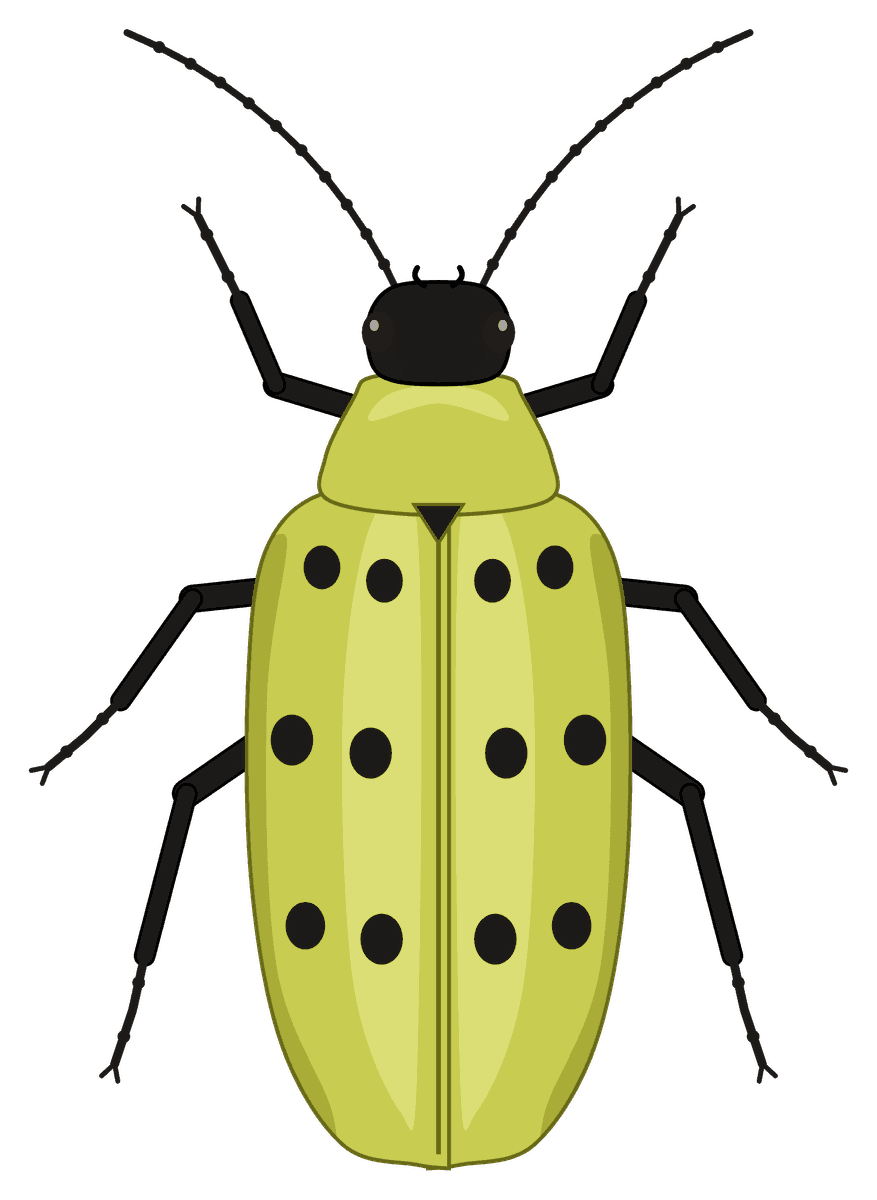
Diabrotica undecimpunctata howardi
Yellowish-green beetles with 12 black spots, and slender larvae that feed on corn roots, causing stunted, misshapen plants. There are 2 or more generations a year.
Adult southern corn rootworm beetles are bright yellowish green with 12 black spots. The larvae are slender and yellowish white with dark heads.
The beetles spend the winter as adults in the South, then come out and mate in early spring. In the North, where winters are too cold for them, they fly in each spring. Each female lays around 500 eggs in the soil. After the eggs hatch, the larvae feed on roots for about 2 to 3 weeks before changing into pupae in the soil. Southern corn rootworms have 2 to 3 generations per year, and more in the far South, so new larvae keep showing up through the summer.
The adult beetle is better known as the spotted cucumber beetle, and it feeds on many garden crops, including corn, cucumbers, squash, and beans. Both the larvae and the adults can damage plants. The larvae do the most harm as they feed on the roots, while the adult beetles chew on leaves, flowers, and corn silks.
The damage can keep plants from taking up nutrients, leaving them stunted and misshapen, and makes them more likely to get diseases.
The beneficial nematodes in BioLogic's products hunt down and kill corn rootworm larvae in the soil. Killing the rootworms as larvae stops the life cycle, so new adults don't emerge.
Treat with Scanmask from late May to mid-July, applying it to the soil around your crops. Ecomask also works. Each generation of larvae feeds on roots for about 2 to 3 weeks, and that is when nematodes can kill them. Later generations can be treated the same way if larvae are found. The Garden Pack includes Scanmask Spray and the Nema-Jet Sprayer.
Also see the northern corn rootworm and western corn rootworm.
See How to apply for step-by-step directions, or use the calculator on the Scanmask Spray page to see how much you need.
Kills the widest range of pests. Our pick for several pests at once or for preventing them.
From $37.99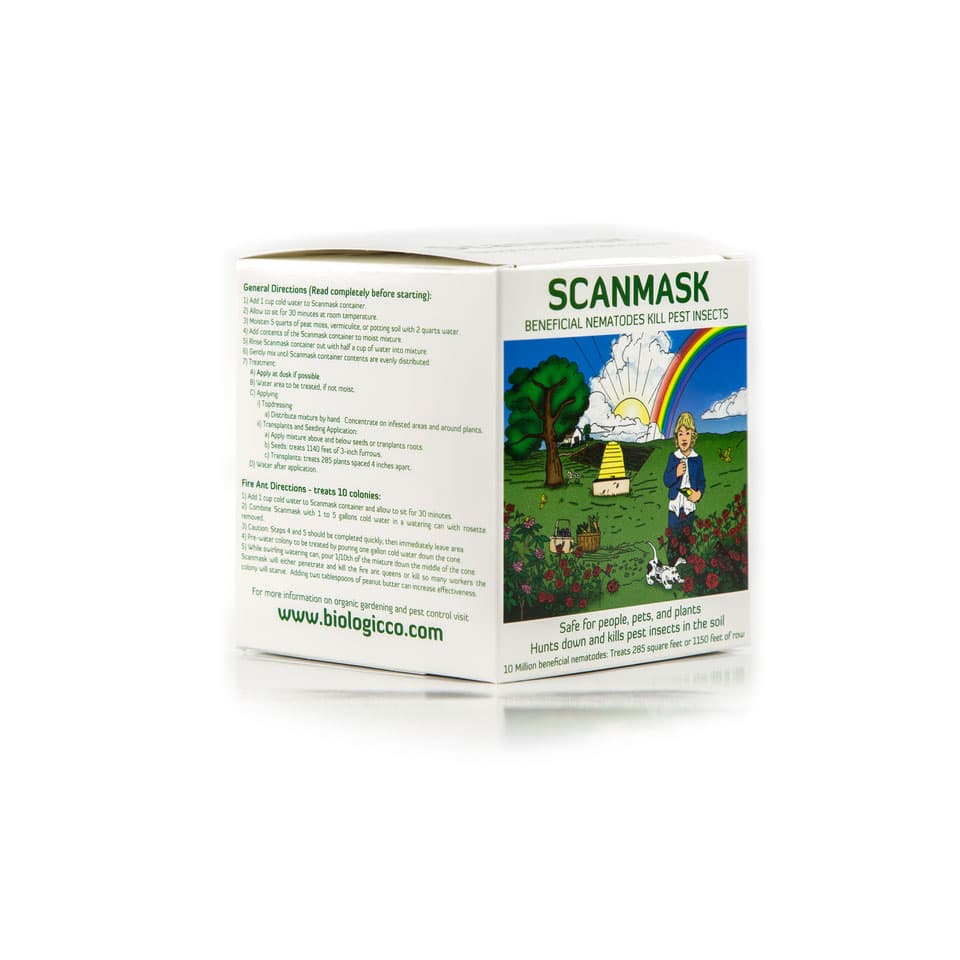
The same Scanmask we've sold since 1985, mixed with peat moss or potting soil and spread by hand. Keeps up to a year in the fridge.
From $42.99
Our recommended nematode for fleas, and a hardy choice for hot, dry climates.
From $37.99
Ecomask, our flea nematode, in a granular form you mix with peat moss or potting soil and spread by hand.
$59.99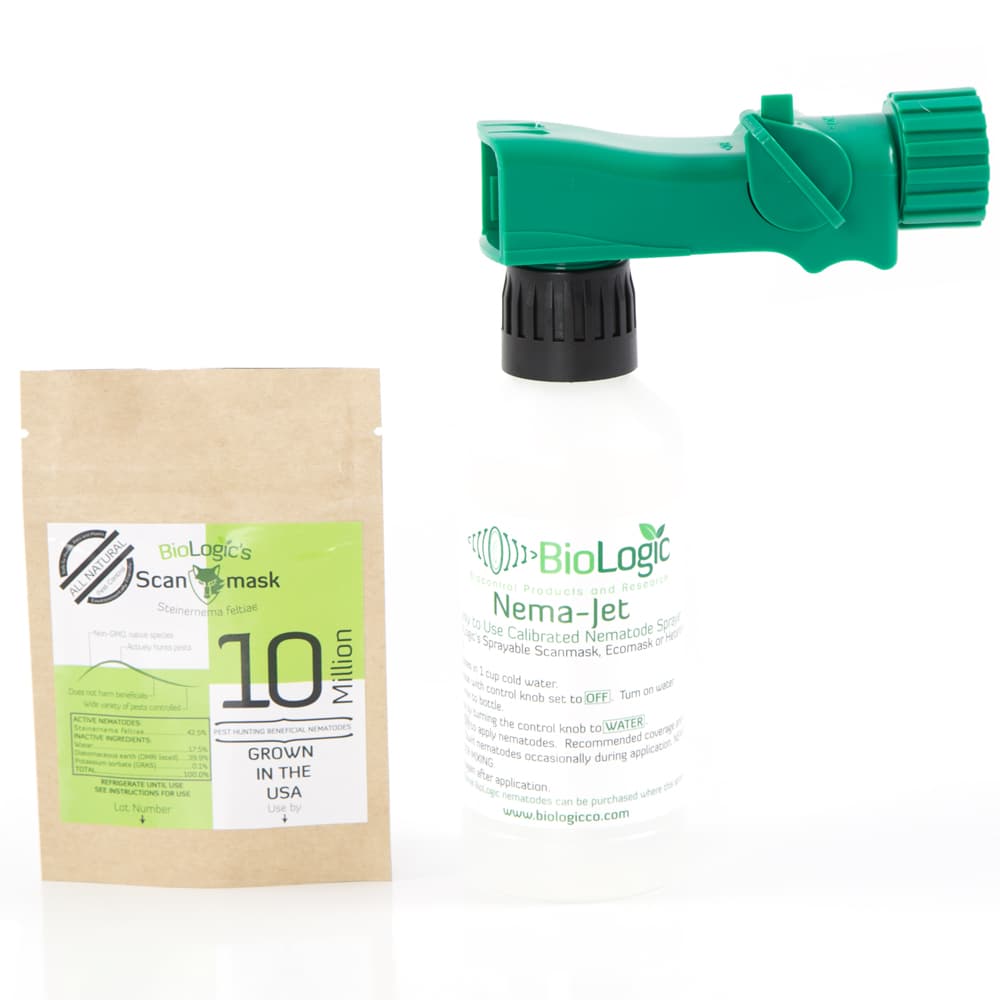
Scanmask Spray and the Nema-Jet Sprayer together, to protect your lawn or garden without chemicals.
$46.99